

How a Doctor Window Can Strengthen the Doctor-Patient Connection
The relationship between doctors and patients is a sacred one. Our Webpage is formed through thoughtful practices and attention. Include sliding glass windows to your medical office to help strengthen the doctor-patient relationship.
Two doctors from Russia have passed away and another was severely injured in falls from hospital windows during the coronavirus pandemic. These incidents show the pressure that doctors face during a time of crisis.
Improved Energy Efficiency
Doctor-patient relationships are sacred. That's why doctors' offices must be designed with care to ensure that patients feel at ease and welcomed. It is crucial to ensure they are comfortable and have all the equipment they require for an enjoyable visit. One way to do this is by using sliding windows in medical office spaces which can help create a more welcoming and productive environment.
These windows offer several benefits for a medical facility that include energy efficiency, increased security, and increased privacy. For instance, they can be made with tinted or frosted glass to safeguard the privacy of patients and stop them from hearing sensitive information when staff and nurses talk about patients. They also prevent storms and intruders from getting into the building, which can be a significant safety risk for medical care facilities.
Pass-thru windows can be used in a variety of ways in medical settings, such as to transfer documents or samples from one room to another. In hospitals and medical offices they are used to protect patients and staff from germs.
By blocking 99 percent harmful UV radiations, insulated windows can also cut down on the energy use of a medical center. This helps to reduce the amount of energy required to cool buildings and can help reduce up to 30% of the hospital's cooling expenses. This improves the atmosphere for patients and staff, while reducing the operating expenses of hospitals.
Increased Security
The protection of privacy of patients is one of the top responsibilities of medical office employees and doctors. Doctor windows can serve as a barrier to keep the public from hearing confidential conversations. There are various security options for doctor windows, such as tinted and frosty glass. This can help to protect privacy and limit outside intrusions.
A pass-through window helps health professionals to perform administrative tasks such as processing payments or scheduling appointments. They can also distribute medications to patients, without directly interfacing with them. Berk Seckin has over 27 years of experience in the doors and windows industry.
Confidentiality is a priority
In the realm of healthcare, patient confidentiality is a crucial principle that ensures individuals can communicate sensitive information to their medical professionals without fear of disclosure that is not authorized. This confidence enables patients to be more forthcoming about their health issues, which ultimately leads to better diagnoses and treatment plans. However the risk of breaching confidentiality is still a problem and could result in serious consequences for patients and healthcare professionals.
Breaches of confidentiality are often due to the inadvertent exposure of personal or clinical information to staff members who are not part of exam rooms and meeting areas. This could happen when healthcare professionals speak to colleagues about a patient they know, either verbally or by phone, and fail to ensure that the room is shut. This is a particular problem in departments like gynecology or pediatrics, where doctors often talk about the same patient (Fig. 1).
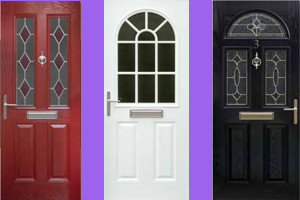
The sliding windows of DOCTORWINDOW provide an effective solution to this problem. The windows, composed of opaque or tinted glass, create barriers to prevent anyone from listening to private conversations between staff and patients. The windows also permit staff to focus on their work without interruptions from the waiting area. This allows them to provide the best possible care to their patients.
As the demand for healthcare services increases the need for privacy and confidentiality is an important concern. Patients can communicate more privately and easily with their healthcare professionals, reducing the need to face-to-face communication, which reduces the risk of viral and bacterial transmission. These windows also improve the patient's experience by allowing them to view the world in a clear way as they travel through the healthcare system.
Reduced Noise
Noise pollution can have a negative impact on your office or home surroundings. Not only does it affect your productivity and work environment, but it can also make you feel anxious and stressed. There are many ways to reduce the amount of noise that enters your workplace or home from outside. One way is to install windows that are soundproof. There are a variety of windows that can help reduce noise. These include double-paned, laminated glass and vinyl windows. These windows will drastically reduce the volume of noise that enters into your home or office.
Another method of reducing noise is to install insulated windows. Insulated windows are made up of two panes with an air-filled space between them. The amount of noise reduction from windows that are insulated is contingent on the type of window and the air that is placed between the two panes. Windows with more air between the panes are likely to be more effective than windows that have less air.
Insulated windows can reduce noise and improve energy efficiency. Insulated windows can increase the energy efficiency of your home by as much as 80 percent. You'll reduce your energy bills while feeling comfortable at home or at work.
Researchers from Singapore have developed an instrument that can be positioned in a window to reduce the amount of sound that enters it. The device operates on a similar principle to noise-canceling headphones, by analyzing the frequency of incoming sound waves and emitting countering "anti" wave frequencies. The researchers tested the device in a typical sliding window of one square meter wide and found that it reduced the frequency of train, road, and aircraft noises by approximately half.